
Microsoft’s Surface Laptop Ultra becomes available October 16 with a starting price of $2,599. It is not a mainstream Surface with a faster chip. Microsoft built it as a portable workstation for local AI, creative work, development, and high-end Windows gaming.
That makes the buying question unusually simple: do you need its RTX Spark platform and unified memory, or would a conventional laptop serve you better?
What is different about Surface Laptop Ultra?
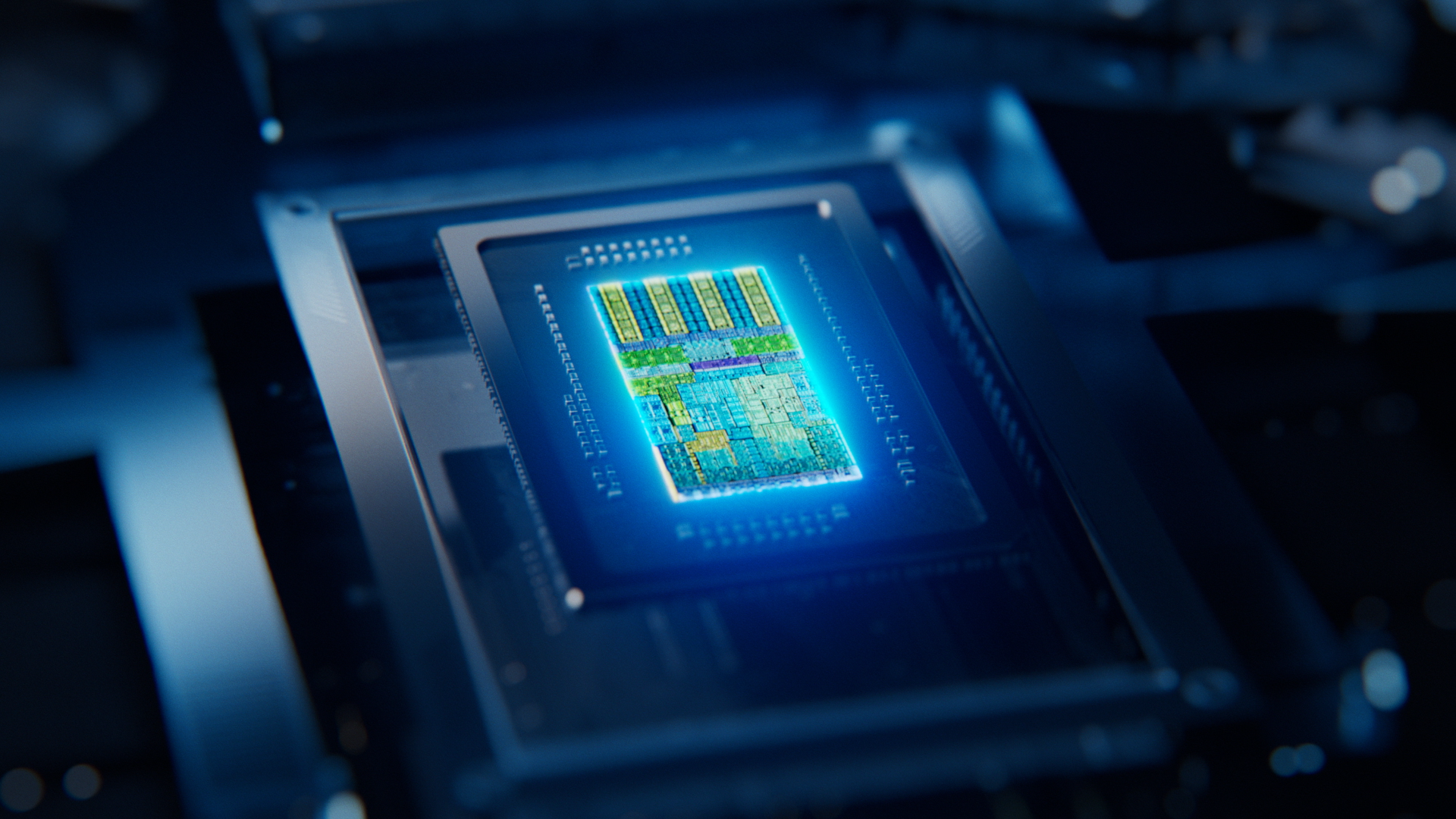
The machine combines an NVIDIA Blackwell RTX GPU with up to 6,144 cores, an NVIDIA Grace CPU with up to 20 cores, and as much as 128GB of unified system memory. Instead of separate pools for the processor and graphics chip, that memory can be shared dynamically across workloads.
Microsoft says the top configuration can run local AI models exceeding 120 billion parameters and reach up to one petaflop of theoretical FP4 AI performance when sparsity is used. Those are specialized numbers. They matter for model inference, code agents, large creative projects, and other workloads that can consume far more memory than an ordinary laptop provides.
If you are still sorting out NVIDIA’s product language, our plain-English guide to the difference between RTX and GTX graphics explains why RTX features include more than raw gaming speed.
Who should consider buying it?
Surface Laptop Ultra fits three demanding groups best:
- AI developers who want to test large models and agent workflows locally instead of sending every experiment to a cloud service.
- Creative professionals working with high-resolution video, 3D scenes, large datasets, or several accelerated applications at once.
- Windows specialists who want CUDA, Windows AI tools, GitHub Copilot workflows, and workstation-class memory in one portable device.
The appeal is control as much as speed. Local models can reduce cloud dependency, keep sensitive material on the computer, and avoid per-use cloud charges during repeated testing. Microsoft is making a similar hardware-versus-cloud argument with its own data-center silicon, which we unpack in our guide to the Microsoft Maia 300 AI chip.
Display, ports, and practical design
The 15-inch PixelSense Ultra touchscreen reaches a claimed 2,000 nits of peak HDR brightness in a 10 percent window. Microsoft says the chassis is less than 18mm thick and weighs under 4.5 pounds, while a redesigned thermal system offers up to 2.5 times the thermal capacity of current Surface laptops.
Connectivity is unusually generous for a modern premium laptop. You get three USB-C ports, including one with Microsoft’s magnetic USB-C charging connection, plus HDMI, USB-A, an SD card reader, and a 3.5mm headphone jack. The laptop can drive up to three 4K displays, and its storage is removable.
One detail for artists: the touchscreen does not support Surface Pen or similar pen input. Touch is available for navigation and direct interaction, but this is not a replacement for a pen-focused Surface Pro.
Can it replace a gaming laptop?
The RTX Spark architecture supports ray tracing, DLSS, and NVIDIA Reflex in compatible games. That is promising, but buyers should not treat the computer like a standard x86 gaming laptop. The Grace processor means Windows on Arm compatibility still matters. Microsoft describes the Arm game catalog as growing, but individual games, launchers, anti-cheat systems, and peripherals may behave differently.
Check every must-play title and professional plug-in before ordering. The headline hardware cannot fix software that has not been ported or translated cleanly.
Who should skip it?
Most students, office users, and everyday creators do not need 128GB of unified memory or local 120B-parameter models. A regular Surface Laptop, MacBook Pro, or Windows workstation can be less expensive and easier to validate against existing software.
The $2,599 figure is also only the starting price. Microsoft has not framed the entry configuration as the maximum 128GB model, so compare the exact CPU, GPU, memory, and storage before checkout.
Availability and the US trade-in offer
Surface Laptop Ultra opens for general availability October 16 in Platinum and Nightfall finishes. Microsoft is also offering up to $1,000 cash back for an eligible MacBook Pro trade-in on qualifying purchases made through November 23 in the United States and Canada. Trade-in value depends on the device and condition, and the old computer must be mailed within the stated claim window.
For full configuration details and current terms, use Microsoft’s official Surface Laptop Ultra announcement. The machine is compelling for a narrow professional audience, but its best feature is not a benchmark. It is the ability to bring unusually large AI and creative workloads onto a laptop without defaulting to the cloud.