
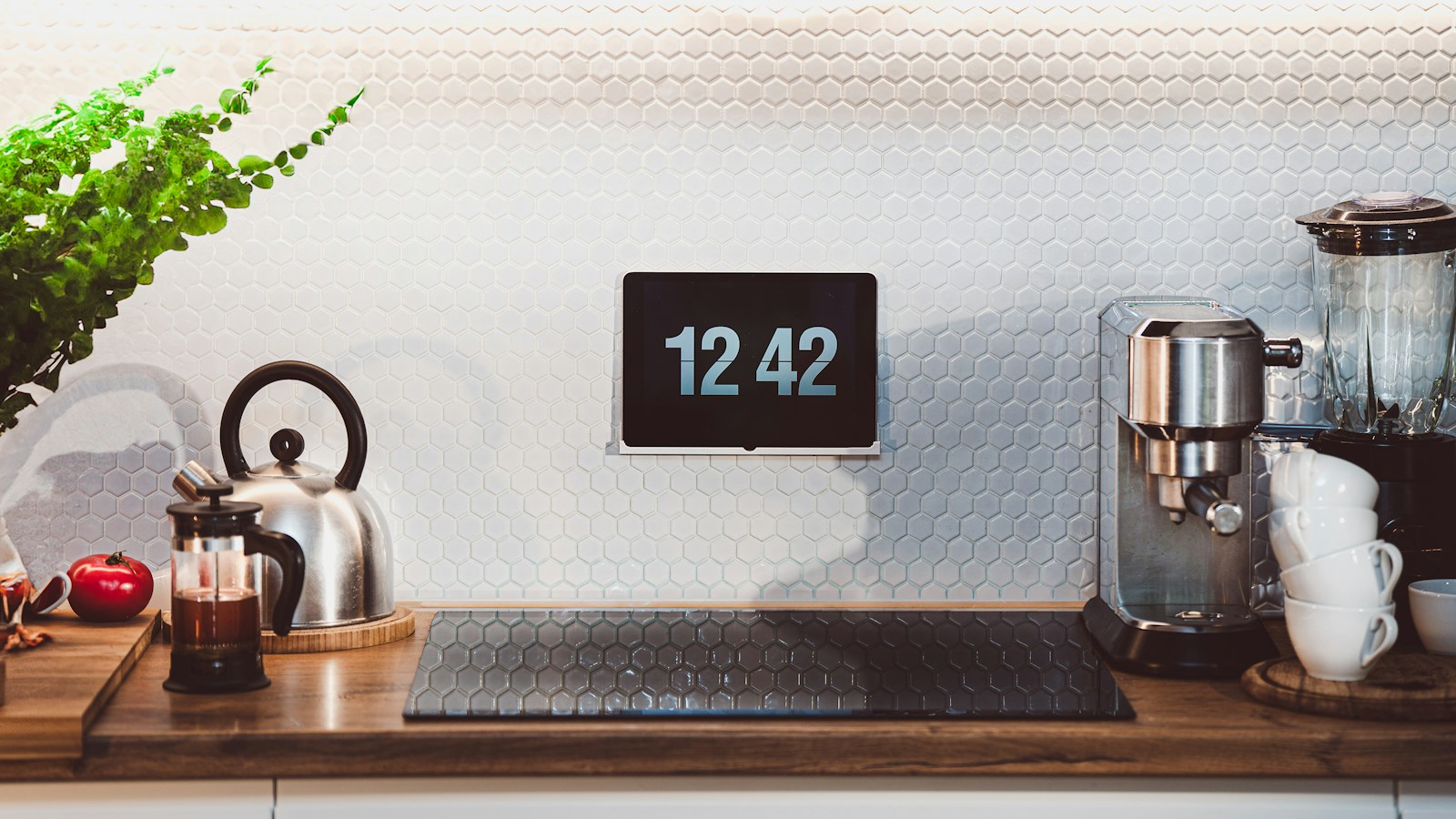
Apple HomeView is Apple’s first dedicated smart-home display, combining a 7-inch touchscreen, Siri AI, FaceTime, speakers, and Home app controls in one device. Preorders opened in the United States on October 13, and both the tabletop and wall-mounted versions arrive November 13.
The main question is not whether HomeView can show a calendar or control a light. It is whether a $299 display offers enough value beyond an iPhone, iPad, HomePod, or Apple TV. Here is what Apple has confirmed and what buyers should check before ordering.
Apple HomeView price and release date
Apple HomeView costs $299 in the United States. The standard model comes in silver, starlight, rose pink, and space gray. Apple HomeView (Wall Mounted) also costs $299 and is offered in silver or space gray.
Both models are available for preorder now and ship on November 13. The tabletop version does not require installation. The wall-mounted version does, and its compatible powered mounts or professional installation may add to the total cost.
Apple’s official US store page also confirms that HomeView requires an iPhone running iOS 27.2 or later, or an iPad running iPadOS 27.2 or later. If your phone is still on an earlier release, our guide on whether to install iOS 27 now or wait explains the practical update tradeoffs.
What Apple HomeView actually does
HomeView is built around a 7-inch, 1088-by-1088 Liquid Retina touchscreen with True Tone. Brightness ranges from 500 nits down to 0.3 nits, which should make the screen usable in a bright kitchen without turning it into a glowing square beside the bed at night.
An A18 chip powers the system. A 12-megapixel Center Stage camera keeps people framed during FaceTime calls, while four beamforming microphones handle calls and far-field Siri requests. The tabletop model includes two full-range drivers, a down-firing woofer, and passive radiators. It supports Spatial Audio, Dolby Atmos, and AirPlay multiroom playback.
The Home app is central to the device. HomeView can show camera feeds, lights, locks, thermostats, scenes, and automations. A modular home screen can display controls at a glance, while a camera view supports up to nine feeds. It can also listen for smoke or carbon monoxide alarm sounds and send an alert to your Apple devices, although Apple says this feature should not replace a proper safety system.
How Siri AI and face recognition work
HomeView recognizes up to six household members by face and voice, then switches calendars, reminders, messages, music, and other personal information for the person in front of it. Apple says camera and microphone recognition data is processed inside protected areas of the A18 chip.
Siri AI is available in English at launch in the United States. Personal-context requests depend on a paired Apple Intelligence-compatible iPhone or iPad on the same account. Apple also warns that usage limits may apply to features that rely on server-side models.
This means HomeView is not a completely independent family computer. It works best as an extension of devices already inside the Apple ecosystem.
Is HomeView an iPad for the kitchen?
Not exactly. HomeView runs Apple apps for music, video, photos, news, recipes, messages, calls, and home control. It can also continue compatible audio or video apps from an iPhone. Apple has not positioned it as a general-purpose tablet with the full iPad app catalog.
The distinction matters. An iPad remains more flexible for browsing, work, games, and arbitrary apps. HomeView is designed to stay in one room, recognize different household members, run automations, and keep home controls visible. Its nearest Apple companion is the new HomePod mini 2, but the speaker lacks HomeView’s screen, camera, and visual dashboard.
Who should buy Apple HomeView?
HomeView makes the most sense for households already using iPhone, FaceTime, Apple Music, and several accessories in the Home app. It can replace a mix of wall controls, a small smart speaker, a digital photo frame, and a video-call screen without making family members share one person’s iPad.
It is harder to justify if you only want a voice-controlled speaker, own few compatible smart-home devices, or mainly use Android and Google services. The $299 hardware price is only part of the calculation because cameras, locks, thermostats, mounts, and installation are sold separately.
Apple’s HomeView product page and technical specifications contain the complete compatibility notes. The safest buying decision is to check those requirements against the devices and accessories already in your home before preordering.