
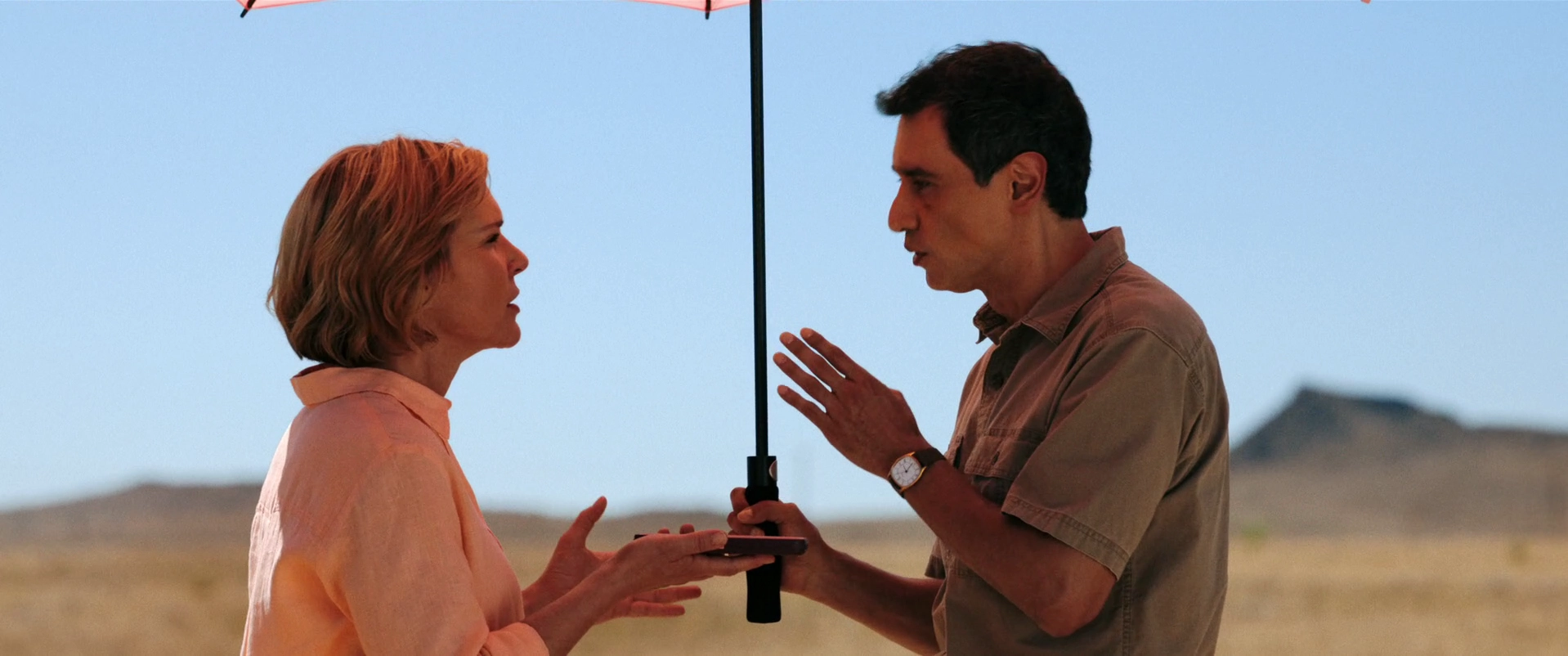
From the very beginning, Pluribus has played with a chillingly simple idea: what if the greatest threat to humanity did not come through invasion or destruction, but through peace? A “fixed” humanity, merged into a single consciousness, free of conflict, pain and chaos. A perfect world offered as an upgrade. And in the middle of this collective calm stands one woman who refuses to disappear into it: Carol Sturka.
Spoiler warning. If you have not watched the Season 1 finale of Pluribus yet, stop reading now.
The final episode of Season 1 makes the central question brutally clear. Choose the personal or the collective. Choose love or the survival of the species. And above all, decide whether individuality is worth saving at any cost.
The final explained
Carol and Zosia
Much of the finale unfolds like a deceptive calm. Carol allows herself to drift into an almost romantic connection with Zosia, as if the show wanted us to feel the same temptation she does. The temptation of rest. Of belonging. Of a world without fear or loneliness.
But Pluribus never intended to let that softness last.
The turning point comes when Carol realizes that the collective is not trying to convince her anymore. It is trying to take her. Her refusal is no longer a philosophical problem, it is a biological obstacle. At that moment, the series shifts gears. The melancholy science fiction atmosphere collapses into something far more intimate and disturbing.
Wolfs Ending Explained: The Unfolding Chaos and Final Twist
The frozen eggs revelation: when consent becomes irrelevant
The most shocking twist of the finale lies in a horrifying realization. The collective plans to assimilate Carol by using her own frozen eggs, bypassing her refusal entirely. Her body, her past, her autonomy are turned into tools against her.
Suddenly, the promise of collective happiness reveals its true nature. This system does not negotiate. It appropriates. Consent is no longer required once a better outcome has been calculated.
This is the moment Carol breaks. And it is crucial that she breaks here. She is no longer resisting for ideological reasons. She is fighting to exist.
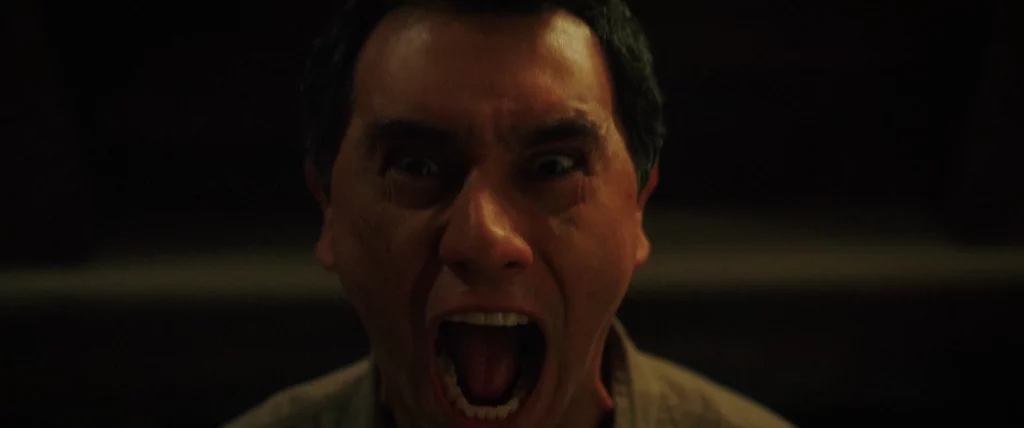
Manousos: another survivor and the return of conflict
At the same time, the finale reintroduces Manousos, another immune survivor. Where Carol’s resistance is emotional, instinctive and often chaotic, Manousos represents a colder, more strategic form of opposition.
Their meeting is anything but heroic. There is distrust, tension and no instant alliance. This friction is one of the episode’s strongest points. Resistance does not mean unity. Especially in a world where debate no longer exists because everyone thinks as one.
Carol and Manousos recognize each other not as saviors, but as remnants. Two people who still carry the weight of choice. Two different ways of saying no.
The container and the final shock
Then comes the final image. Carol returns home with a massive container whose contents remain hidden until the very last moments. When the truth is revealed, the meaning of the ending becomes clear.
It is a nuclear bomb.
Not a metaphor. Not a bluff. A real, irreversible weapon.
The finale does not present a solution. It presents a threat. The bomb is not about victory, it is about desperation. It represents the point where resistance abandons persuasion and turns to annihilation.
This is where Pluribus becomes truly unsettling. The fight for humanity now comes with a button that should never be pressed.
A disturbing ending !!
The final episode refuses to comfort the viewer. It forces a question with no satisfying answer.
If humanity has already merged into a single consciousness, what is left to save?
The bodies.
The right to choose.
The pain of individuality.
Or simply the idea that being human means being imperfect.
The bomb becomes a brutal symbol. When you can no longer convince, you destroy. When you can no longer bring people back, you erase what exists.
And yet, the show does not frame Carol as a triumphant warrior. She does not look confident. She looks exhausted, terrified, fractured. Pluribus suggests that the real tragedy is not only the invasion, but what resistance turns you into.
The meaning of the episode title
The title, “The Girl or the World,” perfectly captures Carol’s dilemma. She experienced something resembling love at a moment when she was nothing more than a survivor. Walking away from that means choosing conflict again.
Pluribus delivers a cruel truth. Sometimes love is not salvation, but temptation. A way to stop fighting. Carol refuses that temptation. She chooses the world, even if it destroys her in the process.
What Season 2 is setting up
Season 1 ends on the edge of catastrophe. Season 2 is clearly preparing to explore several dangerous paths:
- A fragile alliance between Carol and Manousos, built on opposing philosophies
- A moral escalation, because possessing a nuclear weapon changes everything
- A counterattack from the collective, which has already shown it can bypass refusal
- A deeper look at those who willingly joined the collective and do not see themselves as victims
The core question will only become sharper. To reclaim individuality, are we willing to destroy those who chose to give it up?