
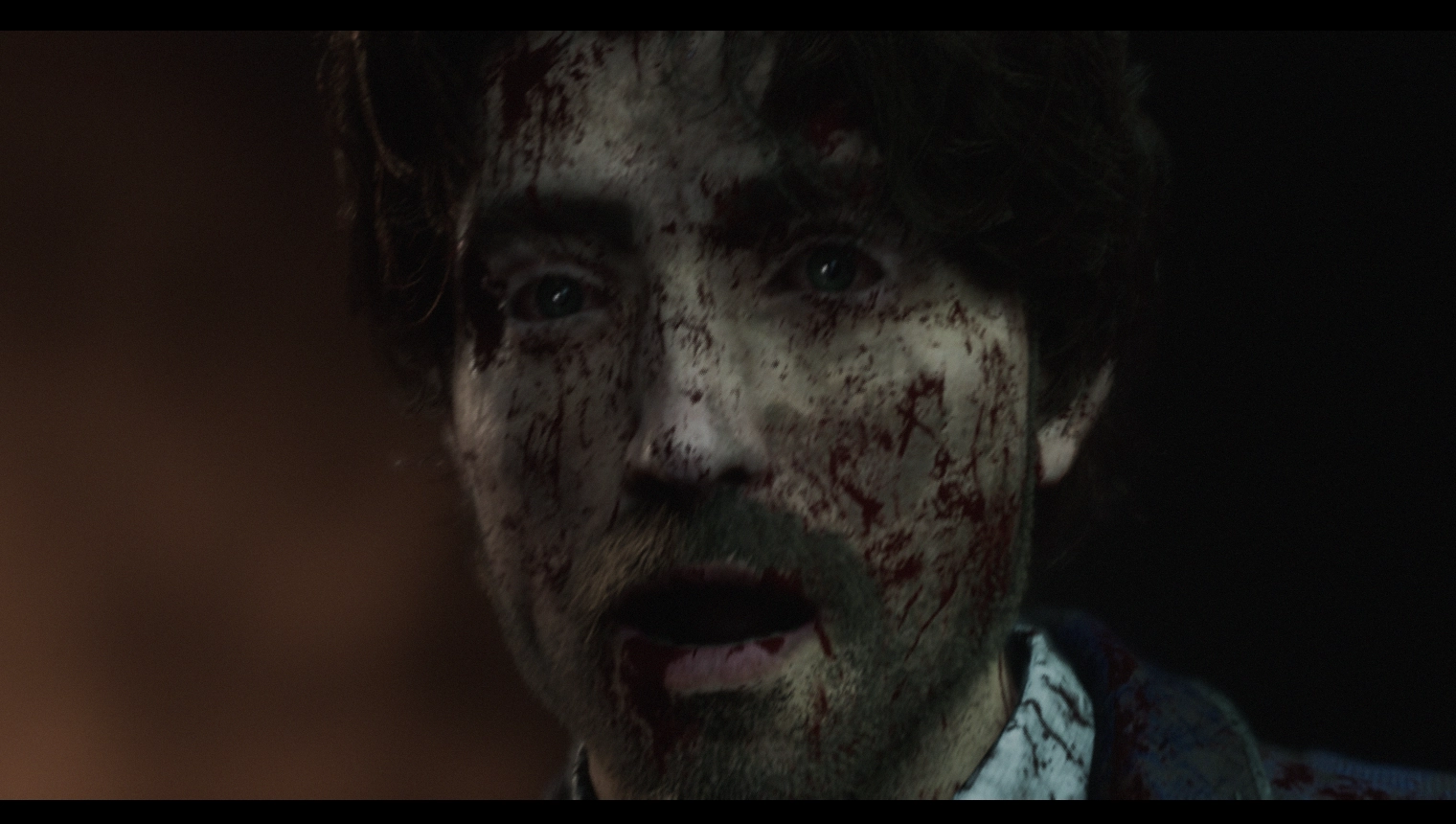
⚠️ Spoiler Warning: Major Story Beats Ahead
If you’ve just wrapped up Act 1 of Clair Obscur: Expedition 33, chances are your jaw’s still somewhere on the floor.
Yes. Gustave dies at the end of Act 1, and he does not return as a playable party member during Acts 2 or 3. However, he appears again in Maelle’s ending, when she restores people inside the Canvas. That ending does not mean he secretly survived his original death.
You’re not alone. This question has been haunting forums, subreddits, and comment sections since the game dropped. So let’s unpack it—carefully, and with as few spoilers as possible for those still early in the journey.
Just Started the Game? Don’t Panic.
If you’re still in the opening chapters and already wondering about Gustave’s fate, then yep—someone definitely spoiled something for you. Sorry about that.
At the outset of Clair Obscur, Gustave isn’t just alive—he’s the heart and soul of the expedition. A gifted engineer with a stubborn streak, he joins the team to challenge the ritual of the Gommage, a chilling annual purge where the Painteress erases people deemed “too old” to matter.
Gustave comes across as driven, principled, and maybe a little too bold for his own good. He’s not just a companion; he feels like the protagonist. So if you’re still wandering through the early chapters, take comfort: Gustave is alive, kicking, and marching straight into a story that’s about to get wild.
But if the idea of his death is already nagging you? Yeah, you’ve been spoiled—but that doesn’t mean the emotional payoff won’t hit just as hard.
Finished Act 1? Welcome to the Trauma Club.
This is where things get real.
Yes—Gustave dies in Clair Obscur Expedition 33. His later appearance is specific to Maelle’s ending, not a secret survival.
After the harrowing boss fight against the Lampiste, Gustave is betrayed by none other than Renoir, the game’s most menacing villain (so far). What follows is one of the most emotionally gutting scenes in recent gaming memory. It’s raw, unexpected, and devastating.
The community reaction has been intense. Some players have compared the moment to Final Fantasy VII‘s infamous loss of Aerith—and honestly, the emotional weight isn’t far off. YouTube is already overflowing with reaction videos showing shocked, teary-eyed players staring in disbelief.
Killing off a main character this early is a huge gamble, and Sandfall Interactive deserves credit for pulling it off. Gustave’s death doesn’t just shake you—it reframes the entire story. Because just like that, you realize: this was never just his story.
From Act 2 onward, new characters like Verso and Maelle step into the spotlight, revealing just how deep and ambitious Clair Obscur really is. And without giving too much away: the deeper you go, the more you’ll question everything you thought you knew about Gustave’s fate.
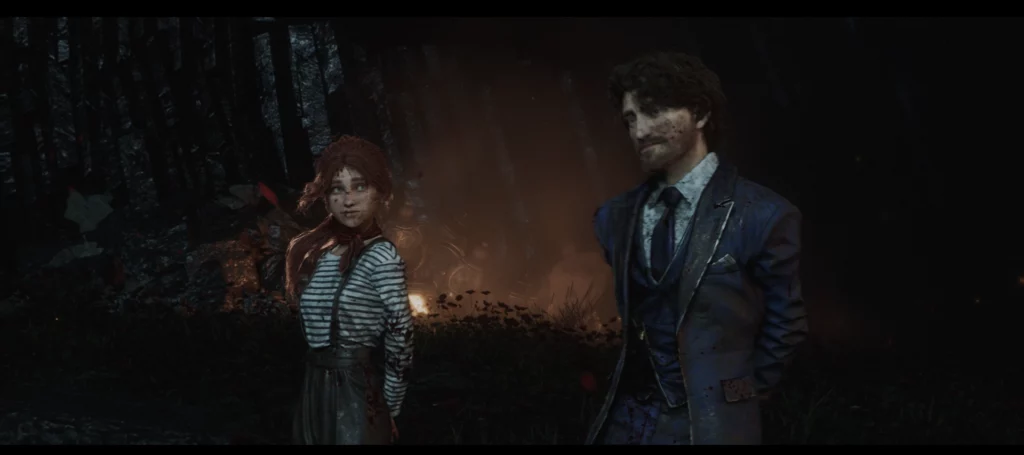
Finished the Game? Here’s the Truth.
If you’ve seen the credits roll, then you’ve likely pieced it together.
Gustave belongs to the Canvas, but the story treats his choices, relationships, and loss as meaningful. In Clair Obscur, reality is a canvas—literally. Gustave and many others are creations, brought to life by the Painteress Aline and infused with fragments of Verso’s soul.
They exist in a strange in-between state. They can be erased. Redrawn. Rewritten. They’re as much narrative tools as they are characters, shaped by brushstrokes and memory.
The most striking moment comes during the final opera scene with Maelle. There, we see Gustave—alive. Smiling. Surrounded by the people he loved. It’s quiet, surreal, and oddly comforting. As if the tragedy we experienced was just one version of the truth… one layer of paint, easily replaced.
Gustave does die in Act 1. If you choose Maelle in the final duel, she later restores him inside the Canvas; if you choose Verso, the Canvas is erased instead. His appearance in one epilogue should not be confused with a secret survival during the main story.
What’s the Difference Between Remaster and Remake in Video Games?
Why Gustave Can Appear Again in Maelle’s Ending
In Clair Obscur, Gustave’s death matters. His later appearance comes from Maelle’s decision to preserve and restore the Canvas, not from a hidden escape or a normal revival.
Gustave’s disappearance feels like a commentary on art, authorship, and the way stories evolve. In this universe, nothing is fixed. The line between life and erasure is as fluid as ink in water.
Even if he vanishes, Gustave’s presence lingers. His ideals, his sacrifice, and the space he occupied in the story remain etched into the fabric of the world. His memory is more than just narrative residue—it’s a guiding force.
For players paying close attention, the game doesn’t mourn Gustave as much as it celebrates the idea of transformation. Clair Obscur doesn’t ask, “Is he dead?” It asks, “What does it mean to live?”
Final Verdict: Is Gustave Gone for Good?
Yes. The ending you choose determines whether Maelle restores Gustave within the Canvas.
Gustave dies within the story’s timeline, but death in Clair Obscur is less a definitive end and more a change in state. He may be erased—but erasure here isn’t oblivion. It’s potential. Possibility.
And in the hands of a world where stories can be painted anew, nothing—and no one—is ever truly lost.
Buy Clair Obscur: Expedition 33 Now
Did you choose Maelle or Verso ? Spoil alert